Biogas production for milk cooling in Uganda
This project addresses significant challenges in Uganda’s rural dairy sector, particularly the lack of access to on-farm milk cooling systems in off-grid areas, and thus milk spoilage. It aims to provide sustainable milk cooling solutions by using biogas from anaerobic co-digestion of cow manure and market waste. To this end, a small-scale digester will be built at Makerere University through collaboration with (non-)local biogas experts. This will allow the University’s Centre of Excellence in Waste Management to train farmers, students and vulnerable youths in the correct use of biogas-based milk cooling on their premises. Expected outcomes are reduced milk spoilage, increased access to renewable energy and enhanced local capacity for sustainable energy and farming practices. The project supports key SDGs such as affordable clean energy, climate action and economic growth, offering a scalable solution for rural communities and contributing to Uganda's broader development goals.
The project leverages Makerere University’s mandate to address climate change through renewable energy, expanding the Centre to promote biogas technologies suitable for rural Uganda. It empowers Makerere University to drive change, focusing on sustainable food preservation and waste management, especially within the milk value chain. Targeting that milk value chain, the project will offer training to farmers, students and vulnerable youths from off-grid areas on sorting waste, producing biogas and using it to reduce food spoilage across the food value chain.
Collaboration with Biogas-E and Ghent University (Re-Source Lab), known for their expertise in (small-scale) biogas and biorefinery systems (in Europe), addresses gaps in Uganda’s sector. Moreover, many years of expertise and experience encompassed in their large network of stakeholders is key in the successful implementation of the proposed project. Additionally, Divine Renewables Energy, with its experience in biogas installation for rural communities, ensures the technology is adapted for small-holder farmers, improving energy efficiency and enhancing the project’s impact. Howest is promoter of the investment project, empowered by the province of West Flanders' Wereldhuis, which aims to realize a local appropriately dimensioned small-scale digester.
In 2026, the construction phase was started. Finalisation is expected by the end of the year.
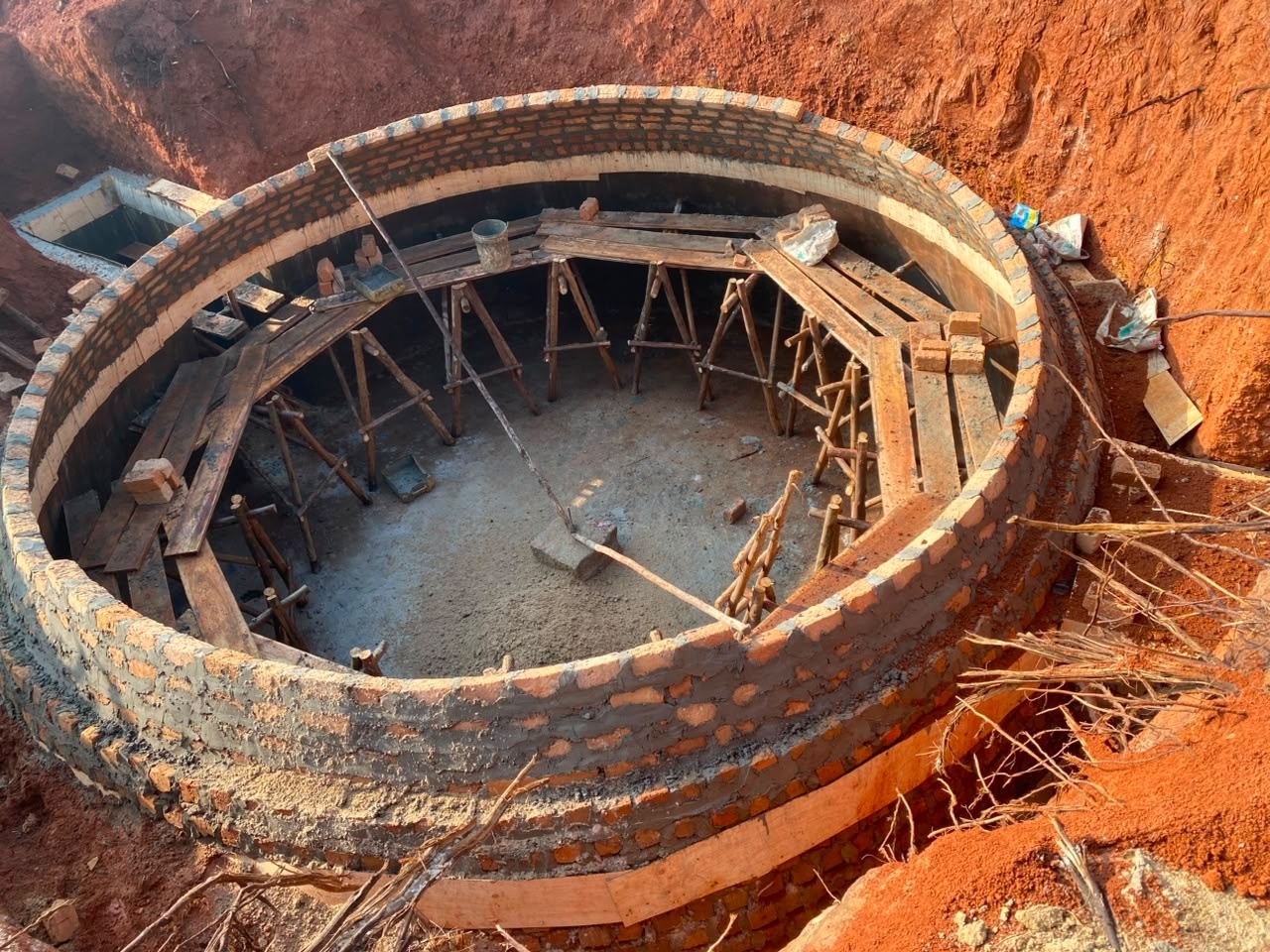
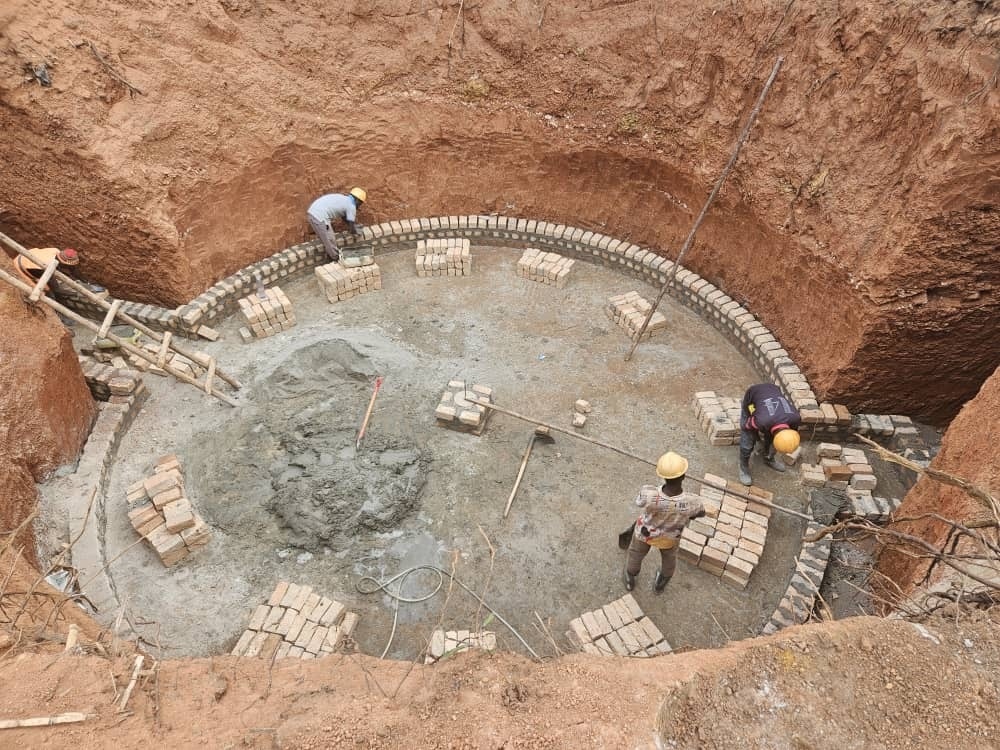
Pictures: © Makerere University
Funded by:
|
|
 |